If you are selling a luxury home in Desert Mountain, a generic listing plan can cost you real money. This is not a one-size-fits-all Scottsdale neighborhood, and buyers do not evaluate homes here the same way they would across the broader 85262 ZIP code. To sell well, you need pricing discipline, polished presentation, and a launch strategy that fits the rules and rhythms of a private gated club community. Let’s dive in.
Price Desert Mountain as a micro-market
Desert Mountain is a large private-club community in Scottsdale with 35 villages, seven golf courses, seven clubhouses, 10 restaurants and grills, a 42,000-square-foot Sonoran Clubhouse, more than 5,000 residents, and 25 miles of private hiking trails. The community spans roughly 8,300 to 8,800 acres, depending on the source, which helps explain why pricing can vary so widely from one area to another.
That scale matters because Desert Mountain does not behave like the broader surrounding market. In April 2026, Realtor.com reported a median listing price of $3.375 million, a median sold price of $2.95 million, 275 active listings, 83 median days on market, and a 96% sale-to-list ratio for Desert Mountain. By comparison, broader 85262 ZIP data from Redfin showed a median sale price of $1.475 million, 73 median days on market, and a 96.3% sale-to-list ratio.
The takeaway is simple: ZIP-code data alone is not enough. If you want to sell your home in Desert Mountain for the strongest market value, your pricing should be built around Desert Mountain-specific comps, not broad Scottsdale or 85262 averages.
Use same-village comps first
Desert Mountain is highly segmented, and that segmentation shows up in both governance and pricing. The HOA notes that each property is governed by both the master association and its specific village association, and the club’s own listings page shows a broad spread across custom homes, villas, cottages, patio homes, future lots, and Seven Desert Mountain residences.
That is why the best pricing strategy starts as close to your home as possible. In practice, that usually means comparing your property to recent sales and active competition in the same village, with similar views, elevation, lot size, condition, and level of updates.
A home with city-light views, a more private setting, or a stronger outdoor-living package may compete in a very different lane than a similar-sized home in another village. In a community this nuanced, small differences can create major price gaps.
Match price to property type and lifestyle
Desert Mountain buyers are not shopping one uniform product. The club’s listings show custom homes ranging from about $1.199 million to $16.5 million, villas, cottages, and patio homes from about $800,000 to $3.7 million, future lots from about $195,000 to $2.495 million, and Seven Desert Mountain offerings from about $1.434 million to $6.995 million.
That range tells you something important as a seller. Buyers are comparing your home not just on square footage, but on ownership style, privacy, architecture, views, ease of lock-and-leave living, and connection to club amenities.
Your pricing and marketing need to reflect the lifestyle your property delivers. A low-maintenance villa and a custom estate may exist in the same community, but they are not sold the same way.
Highlight what matters most to luxury buyers
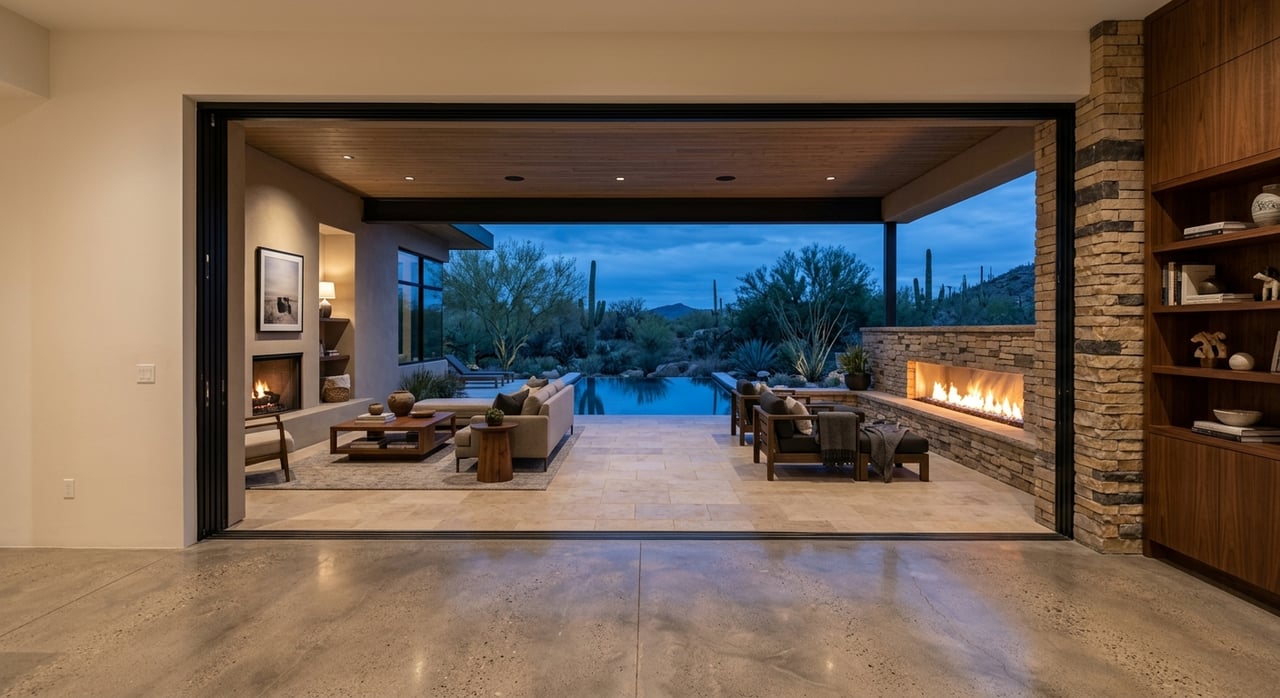
Desert Mountain’s own positioning centers on views, golf, and indoor-outdoor living. That means buyers are often judging how the home lives beyond the front door.
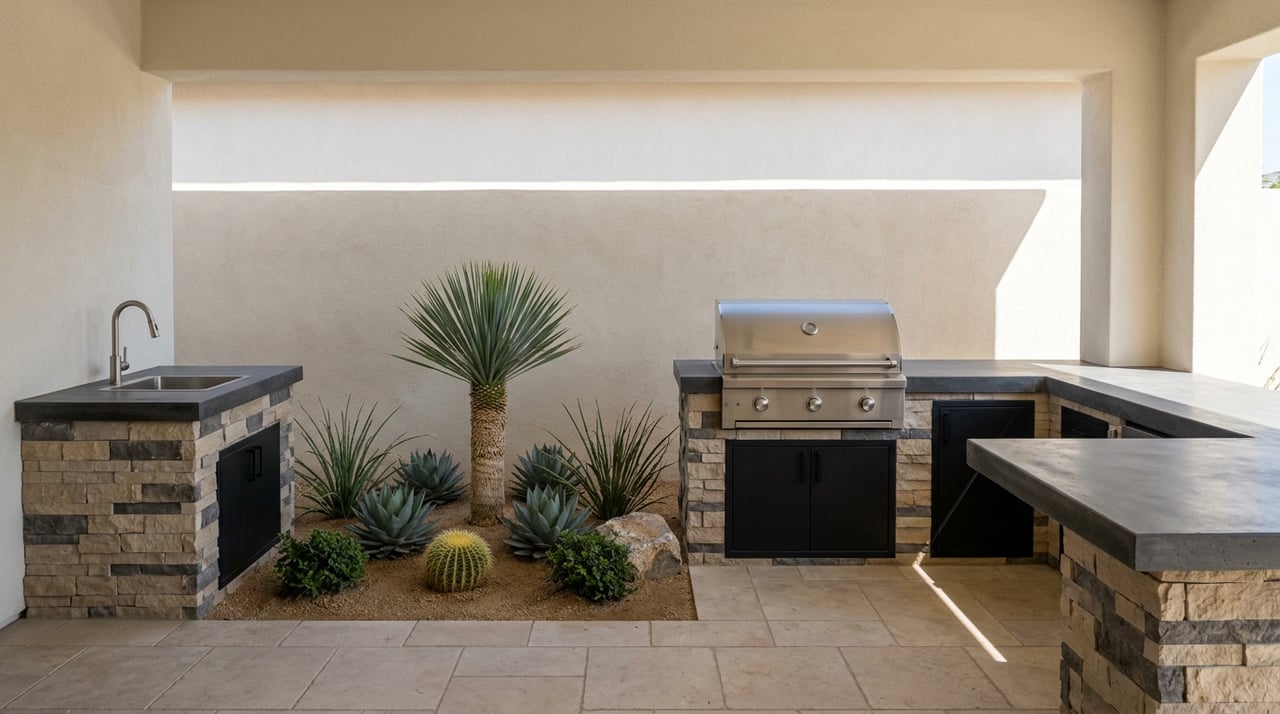
Before you list, focus on the features that shape the day-to-day experience of the property. Think about view windows, covered patios, pool areas, fire features, exterior lighting, and the overall flow between the interior and exterior spaces.
In luxury marketing, the goal is not just to show a beautiful house. It is to help buyers picture the setting, privacy, sunlight, outdoor entertaining, and the full desert lifestyle the home offers.
Prep the outdoor spaces like interior rooms
In many Desert Mountain homes, outdoor living is part of the value story. If the patio furniture, pool deck, landscaping, or lighting feels neglected, buyers may read that as deferred maintenance or lost potential.
Treat these areas with the same care you would give the kitchen or primary suite. Clean surfaces, sharpen sightlines, refresh cushions if needed, and make sure key features feel ready to enjoy.
Let the views do their job
When a home has mountain, golf, or distant light views, the presentation should support them. Open window coverings where appropriate, reduce visual clutter near major glass lines, and stage the rooms so the eye naturally moves outward.
A strong luxury showing should make the home feel connected to the landscape. In Desert Mountain, that connection can be one of your biggest selling points.
Build a marketing plan around community rules
Luxury marketing in Desert Mountain needs to be polished, but it also needs to respect HOA and community procedures. Sellers who plan ahead tend to create a smoother launch and a better buyer experience.
This is especially true for media, showings, signs, and gate access. If those details are handled carelessly, your listing can lose momentum before it has a chance to perform.
Know the drone rules before filming
Aerial media can be powerful in Desert Mountain because it helps buyers understand lot placement, topography, nearby fairways, and view corridors. But the HOA’s drone policy is restrictive.
Drone use requires HOA permissions and notifications. Operators must keep line of sight, cannot fly at night, cannot operate over other lots without permission, and may be fined for violations.
If you want aerial content, make sure it is planned correctly from the start. In a community like this, compliance is part of good marketing.
Follow sign and open-house requirements
Arizona law does not allow associations to prohibit standard for-sale signs or open-house signs outright, but Desert Mountain adds its own placement and notice rules. The HOA allows one 18-by-24 for-sale or rent sign plus one 6-by-24 rider, prohibits illumination, balloons, banners, and flier holders, and requires signs to remain on personal property and be removed within five days after closing.
Open houses may run from 8:00 a.m. to 6:00 p.m. daily with 24 hours’ written notice to the HOA. The listing or showing agent must also check in and out at the Main Gate.
These details may seem minor, but they affect how professionally your home is launched and shown. A well-run listing respects both state law and community rules.
Plan around gate access and tour logistics
Because Desert Mountain is gated throughout, access matters. The HOA says most village gates are open Monday through Saturday from 5:45 a.m. to 7 p.m. and are closed on Sundays and holidays unless a village board sets different hours.
For organized real-estate tours, the policy is tighter. Tours are limited to two per week, cannot be scheduled before noon or after 6 p.m., and require advance notice and a tour agreement.
That means your showing strategy should be intentional, not reactive. In a luxury sale, convenience and buyer experience matter, and gated access is part of both.
Treat membership as a verified selling feature
Membership can be a major point of interest for Desert Mountain buyers, but it should never be presented casually or assumed. The club says it uses a selective waitlist and offers Full Golf, Seven Golf, and Lifestyle membership options.
For many sellers, that means membership should be discussed as a feature to verify, not a promise to imply. If your home may connect to a membership transfer opportunity, or if a buyer wants clarity on current options, those details should be confirmed directly through the appropriate Desert Mountain sources.
Seven Desert Mountain is different
Seven Desert Mountain follows different membership rules than the broader community. The club states that all properties there are deed-restricted to include membership to Desert Mountain Club, and that Full Golf, Seven Golf, and Lifestyle memberships are reserved for approved applicants who purchase a home in Seven.
The club also says those memberships are issued at close of escrow and are not subject to a wait list. At the same time, membership application review is a 30-day process, and approval is not guaranteed even with property ownership.
If you are selling in Seven Desert Mountain, this distinction should be handled carefully and accurately in your listing plan. It can be a meaningful advantage, but it still requires proper review and approval.
Clear up HOA and closing details early
Luxury buyers expect clarity, and Desert Mountain has layered ownership structure that sellers should be ready to explain. According to the HOA addendum, each home or lot is subject to both the Desert Mountain Master Association and its village association, and owners pay both master and village dues.
The same addendum states there are currently no pending special assessments for the master association or any village. It also notes that title companies and Realtors should send the warranty deed to the HOA after closing and that disclosure fees may apply.
None of this is unusual for a luxury gated community, but it does reinforce the value of preparing your paperwork and disclosures early. Clean, organized information helps buyers feel confident and can reduce friction during escrow.
Create a smarter pre-listing plan
If you are planning to sell in the next 6 to 18 months, your best next move is to answer three questions before you go live. First, which recent sales truly compare to your home at the village level? Second, which view and outdoor-living features should lead your marketing? Third, is there any membership or HOA detail you should clarify before launch?
Those three questions line up directly with how Desert Mountain functions today. They also help you avoid the most common luxury-seller mistakes: overpricing from broad market data, under-marketing the lifestyle, and waiting too long to sort out property-specific details.
Selling well in Desert Mountain takes more than putting a home on the MLS. It takes market nuance, disciplined positioning, and a marketing plan built for one of North Scottsdale’s most segmented luxury communities.
When you are ready for a pricing strategy and launch plan tailored to your village, property type, and buyer profile, connect with Darren Tackett.
FAQs
How is selling a home in Desert Mountain different from selling elsewhere in Scottsdale?
- Desert Mountain is a large gated private-club community with 35 villages, layered HOA structure, varied property types, and wide pricing differences, so sellers usually need village-level pricing and community-specific marketing rather than broad Scottsdale averages.
What comps should you use to price a luxury home in Desert Mountain?
- The strongest comps are typically homes in the same Desert Mountain village with similar views, elevation, lot size, condition, and upgrades, because ZIP-wide data may not reflect the community’s pricing patterns.
Does Desert Mountain membership automatically transfer with a home sale?
- Not necessarily. Membership options, transfer rules, waitlist status, and approval requirements can vary, so sellers and buyers should confirm current details directly with Desert Mountain Membership Sales, the HOA, and their title or financial professionals.
What should you focus on before listing a Desert Mountain home?
- You should focus on accurate village-level pricing, polishing indoor-outdoor living spaces, highlighting views and setting, and confirming any HOA or membership details that could affect the sale.
Are open houses and signs allowed in Desert Mountain?
- Yes, but they must follow Arizona law and Desert Mountain’s community rules, including notice requirements, sign size and placement rules, and agent check-in and check-out procedures at the Main Gate.
Can you use drone photography to market a Desert Mountain listing?
- Yes, but only if the HOA’s drone rules are followed, including required permissions and notifications, line-of-sight operation, and restrictions on night flights and flying over other lots without permission.